Searching for how to support your immune system can bring up an overwhelming number of powders, capsules and promises. Before choosing anything, it helps to ask a simpler question: what does your everyday routine already provide, and where might you need support? A useful plan starts with your needs, rather than the name on a bottle. It should also leave room for professional advice when symptoms or existing health conditions make the picture more complicated.
What does immune support actually mean?
Your immune system is a coordinated network, rather than a single switch that needs turning up. The phrase “immune support” on packaging is a broad description of intended use. It does not tell you whether a product will reduce your chances of becoming unwell, shorten an illness or improve a particular symptom. Those are separate questions that need evidence relevant to each outcome. When reading a claim, try translating it into a clear question you could ask the manufacturer.
For example, “Does this help people with my nutritional needs?” is more useful than “Is this powerful?” Ask what was measured, who took part in the research, and whether the study used the same finished formula. A change in a laboratory marker does not automatically mean a noticeable benefit in everyday life. This distinction allows you to remain interested in new ingredients while keeping your expectations grounded.
Begin with an achievable food routine
The NIH Office of Dietary Supplements explains that adequate nutrients matter for normal immune function. Supplements can help address particular shortfalls, but taking extra vitamins and minerals when you already have enough generally does not prevent infections or speed recovery. That makes the starting point an assessment of your eating pattern, rather than a shopping list of everything advertised for immunity. A dietitian can help if your food choices are limited or your nutritional needs are difficult to meet.
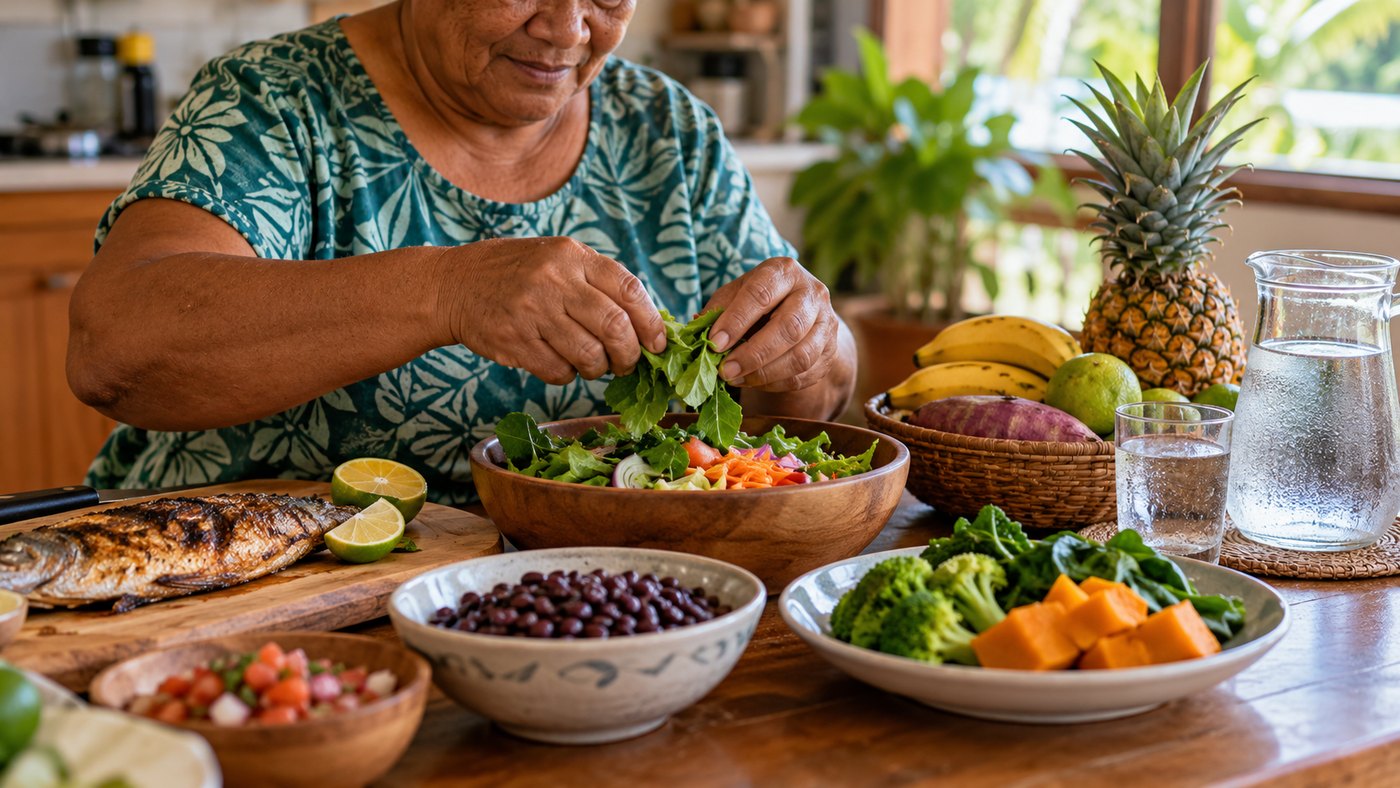
Try looking at three ordinary days. Do you regularly miss meals? Is there a variety of foods, or do the same two convenience options dominate? What could you add affordably? Breakfast might become more substantial with oats and yoghurt. A main meal could include beans, fish, eggs or another protein food alongside vegetables and a grain or starchy vegetable. These are flexible examples, not a prescribed menu. Choose foods that fit your culture, preferences, access and any dietary advice you already follow.
Make your routine easier to repeat
Write down one change you could maintain on a busy day. That might mean preparing tomorrow’s lunch while cooking dinner or keeping frozen vegetables available. If a plan requires unusual ingredients and hours of preparation, simplify it. The aim is a workable pattern, not perfect eating. Family meals can remain familiar while gaining a little more variety, and affordable ingredients can be just as useful for building consistency as fashionable wellness foods.
Include sleep, manageable movement and time to unwind in your wider wellbeing plan. These habits deserve attention in their own right; they are not a guarantee against illness. If tiredness, frequent illness or poor recovery worries you, avoid assuming that a supplement is the missing answer. A clinician can consider your symptoms and circumstances. Continue recommended preventive care and prescribed treatment rather than substituting a product marketed for general wellness.
Where Alovéa ingredients enter the discussion
Alovéa markets Immūn for immune wellness and describes its Alovéa AE ingredient as an extract from aloe vera inner leaf gel. This identifies an ingredient and the manufacturer’s intended purpose. It does not establish that taking the product prevents infections. Before drawing a conclusion, ask for human research on the exact preparation, the amount used and outcomes that matter to you. Evidence about aloe generally cannot simply be transferred to every aloe product.
You can use our Alovéa collection overview to understand the range before comparing labels. Formulas, availability and directions may differ between markets or change over time. Check the current product offered to your destination. If you take medicines, have an immune-related condition or receive specialist treatment, bring the full label to your pharmacist or clinician rather than relying on the word “natural” as reassurance.
A useful decision before you spend
Choose one question to resolve first: whether your diet has a gap, whether a symptom needs assessment, or whether a particular ingredient has convincing evidence. You might decide that food planning is the most useful next step. You might decide to seek advice before considering a supplement. Both are constructive outcomes. Buying something is optional, and uncertainty is a reasonable reason to pause and gather more information.
If you would like to explore products related to this topic, browse my Alovéa website (affiliate link). Compare current ingredients, intended uses and warnings to decide whether anything may be useful for your needs and worth considering. Individual experiences vary; a personal trial cannot prove that a product improves immunity.
Sources and further reading
- NIH: Dietary Supplements for Immune Function
- Alovéa: Immūn manufacturer information
- Alovéa: Ingredients and Technology
General educational information, not personalised medical advice. Manufacturer descriptions identify claimed uses; they are not independent verification of effectiveness. Source check: 24 October 2026, using indexed official Alovéa information; the personal storefront could not be independently retrieved.
Affiliate disclosure: I may earn a commission if you purchase through links in this article.